.png)

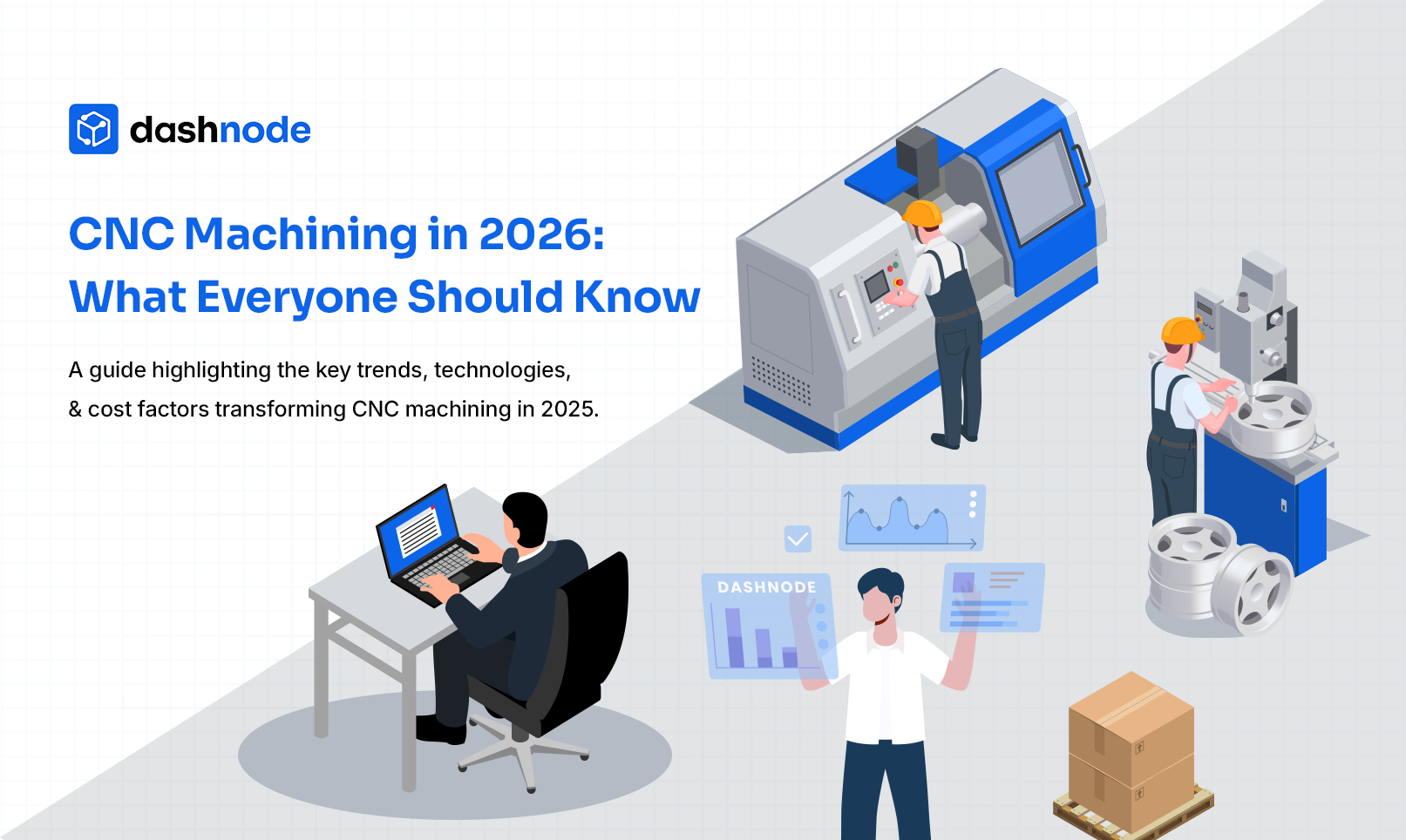
The manufacturing world isn’t just evolving — it’s accelerating. And CNC machining, the backbone of modern subtractive manufacturing, is undergoing a transformation that’s reshaping how parts are made, priced, and delivered in 2026.
Whether you're a sourcing lead, design engineer, startup founder, or running a CNC job shop, this guide distills the major trends, technologies, and cost dynamics you need to know to stay competitive.
2026 is the year CNC shops have gone from craft-based to data-powered. The gap between design intent and physical part is now tighter than ever thanks to advanced software, automation, and real-time costing. CNC is no longer just about machining — it’s about optimizing the entire subtractive manufacturing pipeline.
What’s driving the change?
.png)
Smart shops are investing in digital costing, closed-loop feedback, and tighter design-for-manufacturability (DFM) integrations. The combination of cost-sensitive markets and rising complexity in parts has created a non-negotiable need for transparency.
CNC in 2026 isn’t just a machine — it’s a strategy.
The biggest change? Software now leads the process, not follows it.
.png)
This transformation is being accelerated by cloud-native platforms that connect every stakeholder — engineers, estimators, operators, and sourcing teams — into one workflow. Companies that fail to digitize this chain will face rising inefficiencies and missed RFQs.
The quote is now as strategic as the machine — if not more.
Subtractive manufacturing — where material is removed from a solid block to create the final part — remains the standard for precision and scalability.
What’s new in 2026:
.png)
When done right, subtractive still beats additive in:
Whether you're cutting titanium for aerospace or aluminum for consumer electronics, subtractive remains unmatched for real-world part fidelity.
The milling vs turning decision is no longer about machine type — it’s about process optimization.
.png)
Hybrid machines (mill-turn) allow multiple operations in one setup, which reduces tool changes, fixture swaps, and human intervention.
In 2026, toolpath simulation can show you — in advance — which strategy will lower cost or improve surface finish. Engineers must now select based on time-to-cost, not just machine availability.
CNC costing in 2026 isn’t just material + machine time. It’s about understanding the full stack:
Here’s how a modern costing workflow might look:
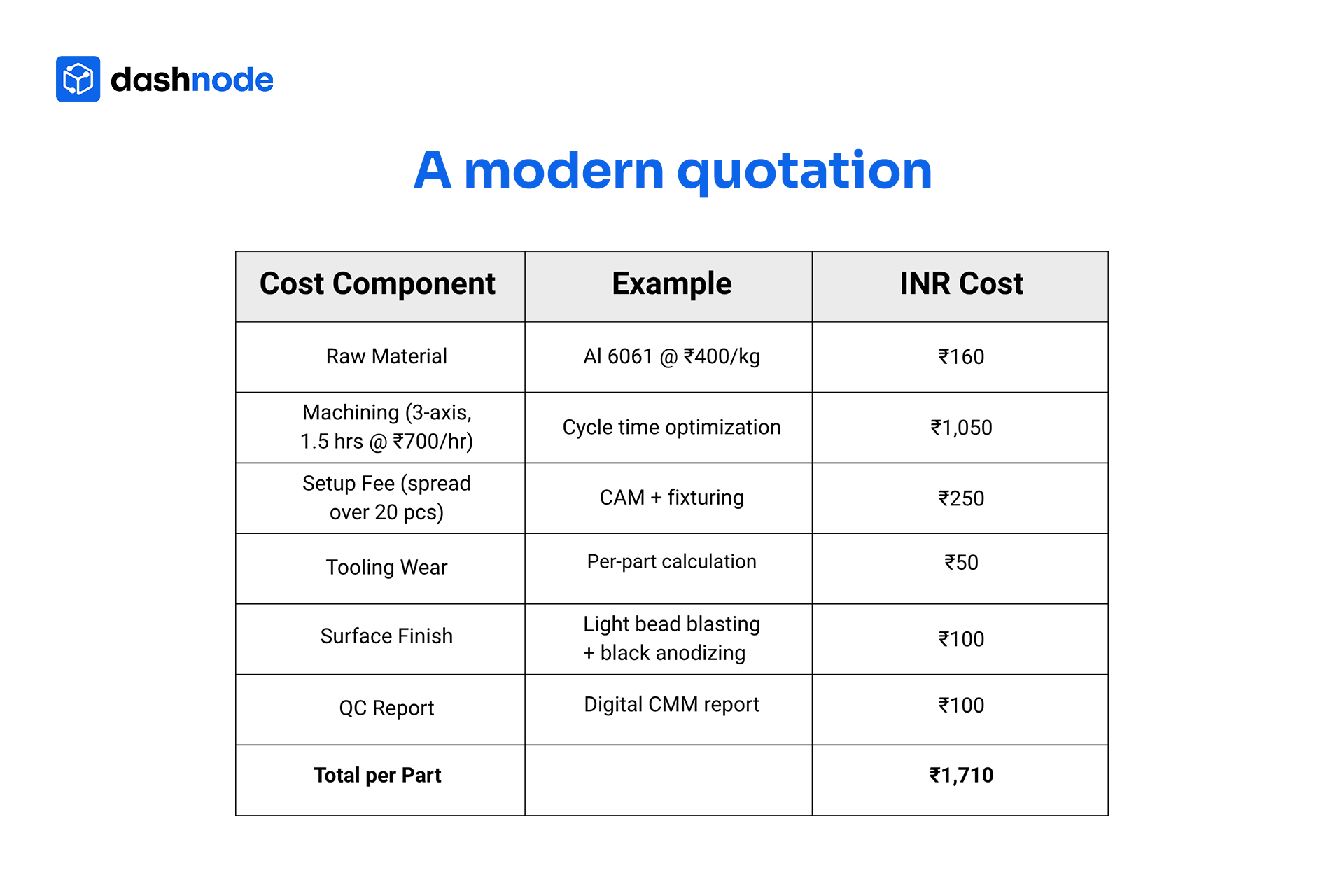
Modern buyers expect this breakdown and modern vendors should deliver it without being asked.
Also Read : CNC Cost Calculator: How to Estimate CNC Machining Costs with Precision, Speed & Strategic Clarity
In 2026, CNC shops aren't just using lathes and mills. They're integrating:
These innovations cut costs by:
CAM software in 2026 is part quoting engine, part simulation lab, part quality inspector.
Key capabilities include:
Software like Fusion 360, Mastercam, and NX CAM now act as extensions of your costing team. The ROI is clear: faster quoting, better DFM decisions, and reduced scrap.
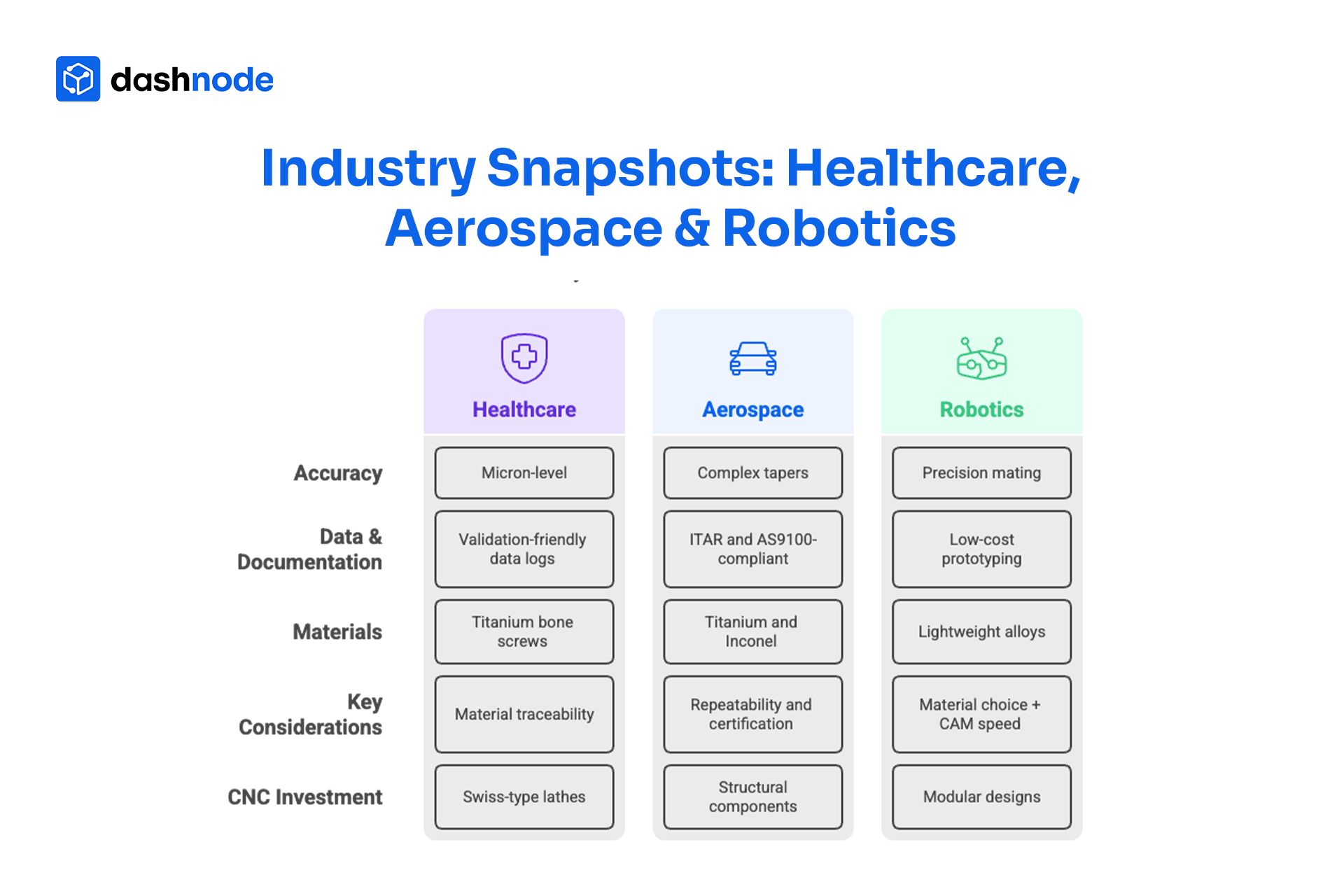
Miniaturized medical components, titanium bone screws, and surgical housings require:
CNC shops serving this industry are investing in Swiss-type lathes and CMM-integrated cells.
The rise in drone tech and space startups (especially in India and Europe) fuels demand for:
Cost per part matters — but repeatability and certification matter more.
With automation exploding across logistics and manufacturing, robotics parts demand:
Whether you're costingfor a robotic gripper or a servo housing, understanding material choice + CAM speed is essential.
The most efficient teams collaborate across design and sourcing using a shared vocabulary around CAM, cost, and capability.
CNC machining in 2026 is leaner, smarter, and more connected than ever. The winners aren’t necessarily those with the cheapest machines — they’re the ones with the most intelligent workflows.
Whether you're machining in Bengaluru or Boston, costingfor prototyping or scaling a supply chain, you need:
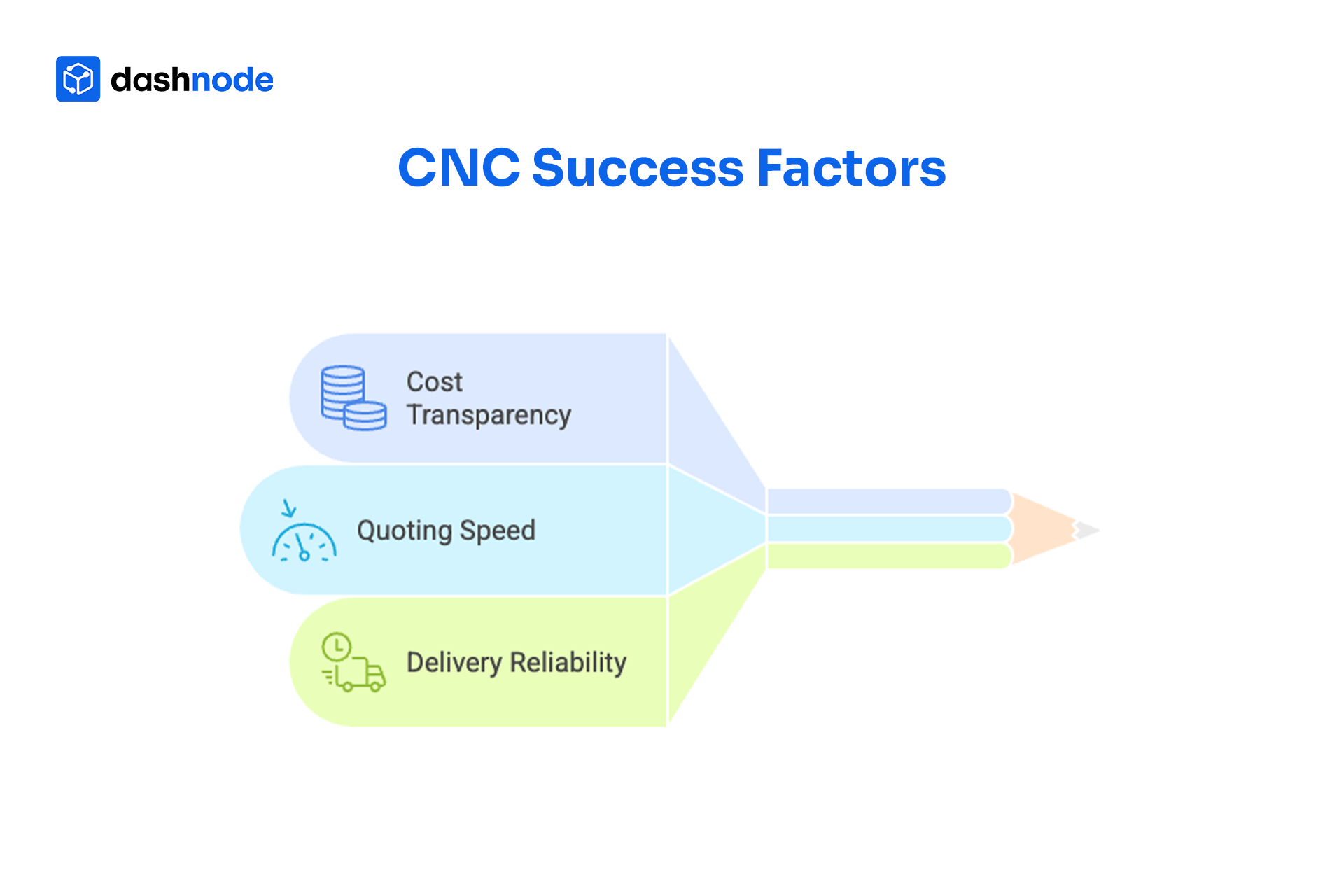
Because your customer doesn't care what machine you used. They care about:
And those three metrics are now defined not by the spindle — but by the software, the process, and the strategy behind it.
Yes. Especially in terms of surface finish, tolerance, and production-grade strength. For functional parts, CNC remains the gold standard.
AI-driven CAM software that simulates machining time, tooling cost, and material waste to predict costs within ±10% accuracy.
By minimizing air cuts, optimizing entry/exit angles, and matching tools to material behavior, toolpath AI can reduce cycle times by 20–30%.
If you're producing parts with both turning and milling operations, yes. Hybrid machines save floor space, reduce setup time, and minimize errors.
CAM is evolving into an all-in-one quoting, simulation, and post-processing environment. It will become the central hub of job management, cost control, and DFM validation.
If your team is:
...then it’s time to rethink how you approach CNC.
Explore digital CNC costing. Collaborate earlier with vendors. Optimize designs for manufacturability. And make transparency your default — not your request.
Want to learn how leading teams are modernizing CNC costing ?
Check out how Dashnode -Our AI Powered CNC Costing Software does it , enabling real-time costing, seamless CAD integration, and error-free costing purpose-built for engineers, estimators, and sourcing leaders who want to move fast and build right.
Because in 2026, precision is expected. Transparency is power.